
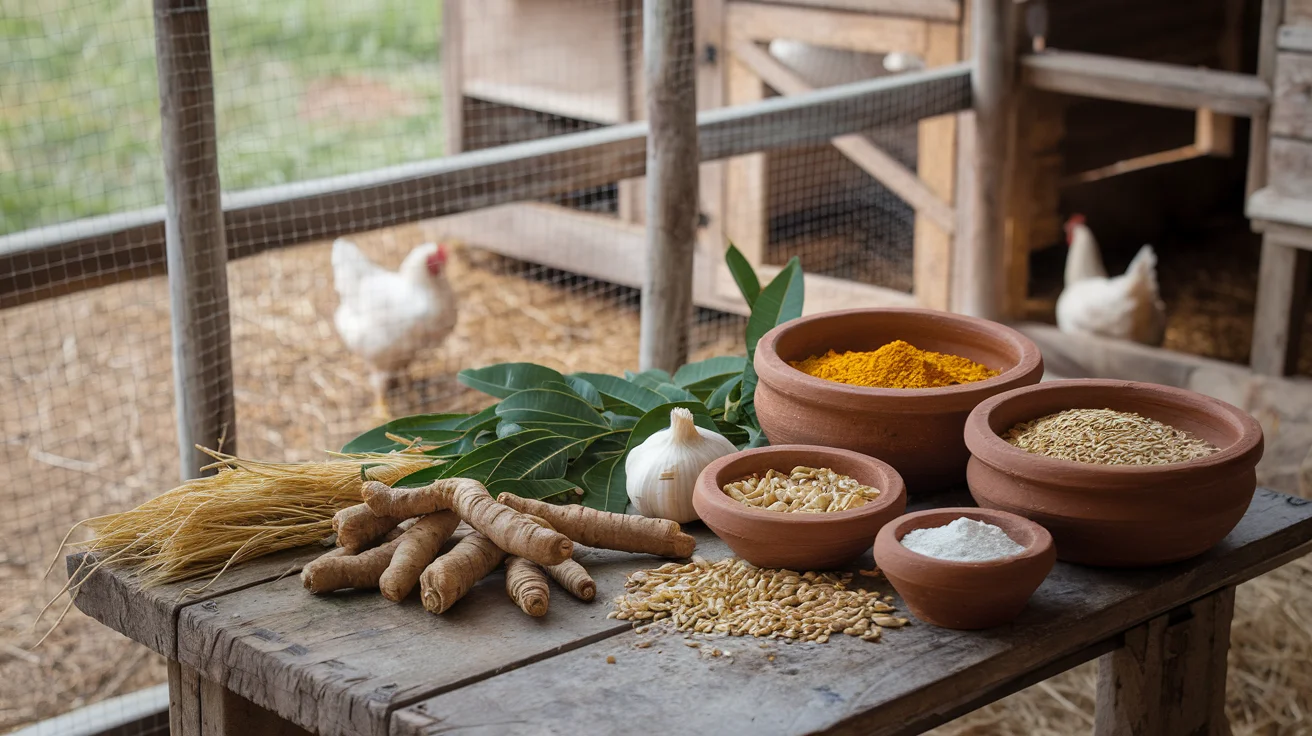
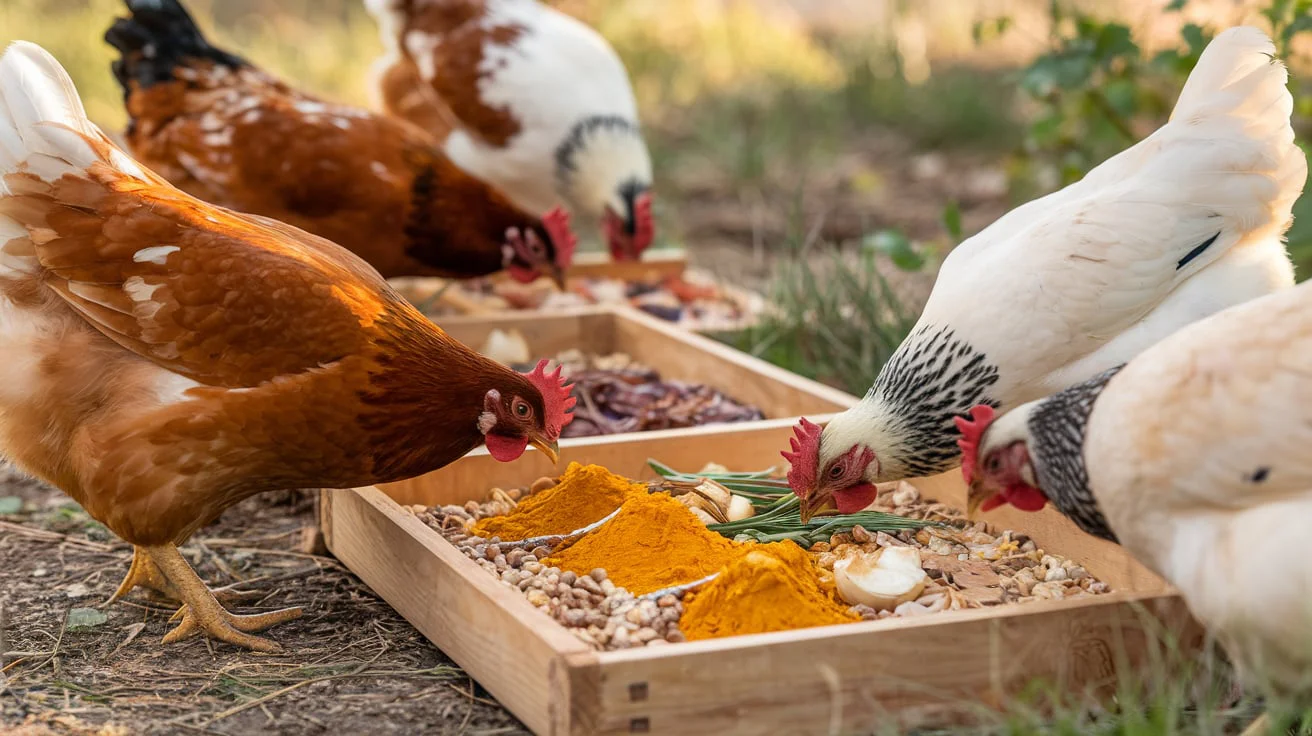
Using herbal feed additives improves digestion and immunity in poultry. At Sahaja Herbal Farms, we've pioneered a revolutionary approach that reduces antibiotics while enhancing bird health, proving that herbal farming is not just sustainable—it's the future of poultry production.
The Problem with Conventional Poultry Farming
Traditional poultry farming relies heavily on synthetic additives, antibiotics, and growth hormones. While these methods increase production in the short term, they come with significant drawbacks:
- Antibiotic resistance in both poultry and consumers
- Chemical residues in eggs and meat
- Environmental pollution from waste
- Weakened natural immunity in birds
- Reduced nutritional value of eggs
The Herbal Alternative
Herbal farming offers a sustainable solution that works with nature rather than against it. Our approach at Sahaja uses time-tested herbs and natural supplements that have been used for centuries in traditional medicine.


Key Herbal Ingredients and Their Benefits
| Herb | Primary Benefit | Impact on Eggs |
|---|---|---|
| Turmeric | Anti-inflammatory, immunity boost | Enhanced nutrient absorption |
| Neem | Natural antiparasitic | Cleaner, safer eggs |
| Tulsi (Holy Basil) | Stress reduction, respiratory health | Better shell quality |
| Garlic | Natural antibiotic properties | Reduced bacterial contamination |
| Ginger | Digestive health improvement | Better nutrient utilization |
Scientific Evidence Supporting Herbal Farming
Recent studies have validated what traditional farmers have known for centuries. Research shows that herbal additives can:
- Reduce mortality rates by up to 40%
- Improve feed conversion efficiency by 15-20%
- Increase egg production by 10-15%
- Enhance shell strength and thickness
- Reduce the need for antibiotics by 90%
"After switching to herbal feed, we've seen a dramatic improvement in our flock's health. The hens are more active, lay more consistently, and the eggs have superior nutritional content." - Dr. Pradeep Kumar, Poultry Nutritionist
Environmental Benefits of Herbal Farming
Herbal farming doesn't just benefit the birds—it's better for our planet:
- Reduced chemical runoff into water systems
- Lower carbon footprint due to natural ingredients
- Biodegradable waste products
- Support for sustainable agriculture practices
- Preservation of soil health
Economic Advantages
While the initial investment in herbal feed may be higher, the long-term economic benefits are substantial:
- Lower veterinary costs due to healthier birds
- Premium pricing for organic, herbal eggs
- Reduced mortality means better return on investment
- Longer productive life of laying hens
- Growing consumer demand for natural products
Implementation Strategy
Transitioning to herbal farming requires careful planning:
- Gradual Introduction - Start with small amounts mixed into regular feed
- Monitor Results - Track egg production, hen health, and behavior
- Adjust Formulations - Fine-tune herb combinations based on results
- Staff Training - Educate farm workers on new practices
- Quality Control - Ensure consistent herb quality and potency
Consumer Demand and Market Trends
The market is clearly moving toward natural, organic products. Consumer awareness about food safety and environmental impact is driving demand for herbal farming products. This trend is supported by:
- Growing health consciousness among consumers
- Increased willingness to pay premium for quality
- Government support for sustainable farming
- Rising concerns about antibiotic resistance

Mahesh Gupta
March 23, 2024This is revolutionary! I've been looking for alternatives to antibiotics in my poultry farm. The herbal approach seems very promising.
Deepika Sharma
March 22, 2024As a consumer, I'm willing to pay more for eggs from hens raised with herbal feed. It's better for my family's health and the environment.
Dr. Venkat Rao
March 21, 2024Excellent article! The scientific data you've presented clearly shows the benefits of herbal farming. This is the future indeed.