
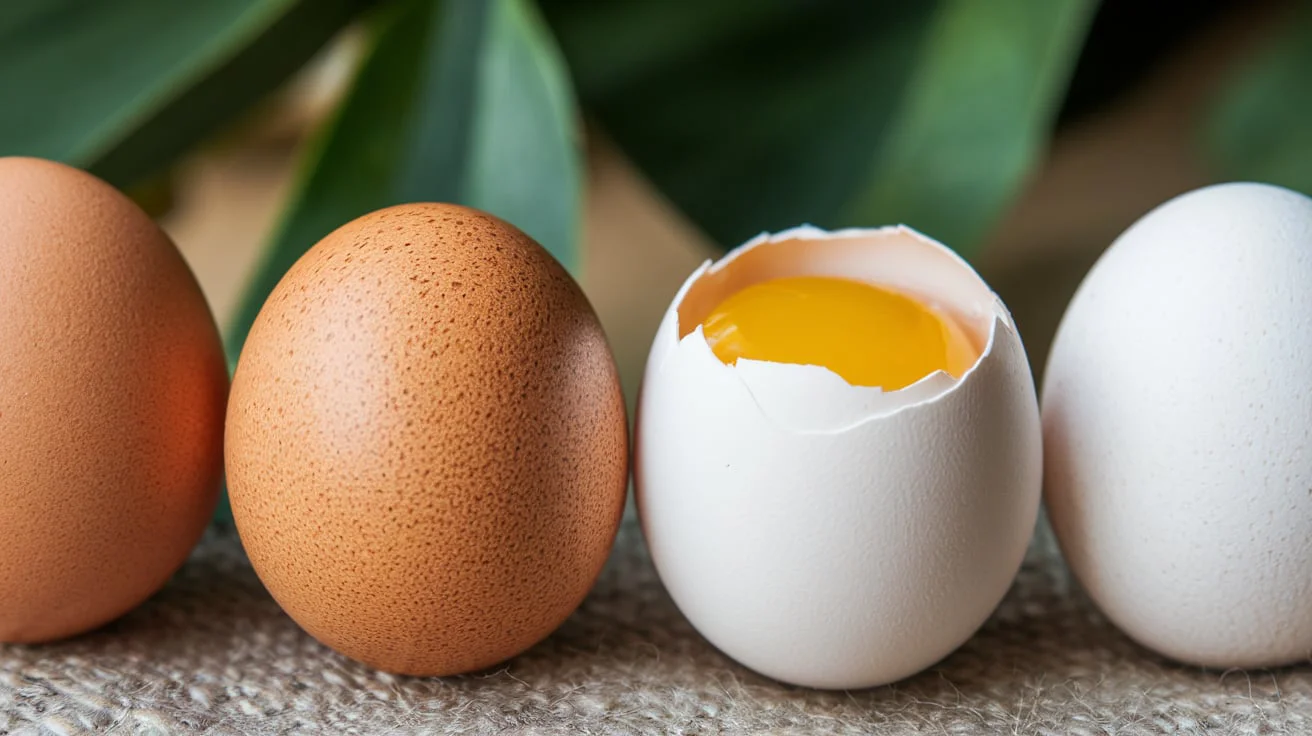
Not all brown eggs are created equal. With the growing demand for authentic country eggs, many consumers struggle to distinguish real country eggs from commercially raised ones. Learn how to identify genuine country eggs based on shell texture, yolk color, and freshness tips from the experts at Sahaja Herbal Farms.
What Makes Country Eggs Different?
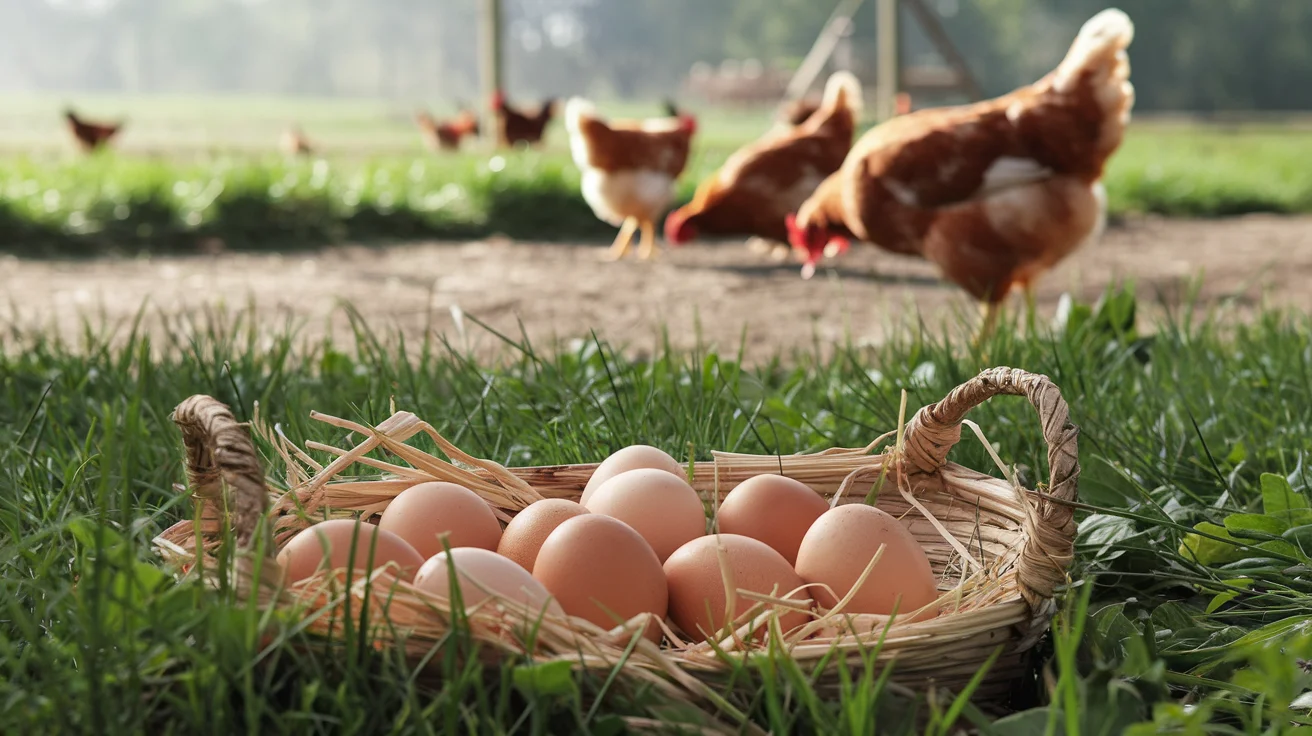
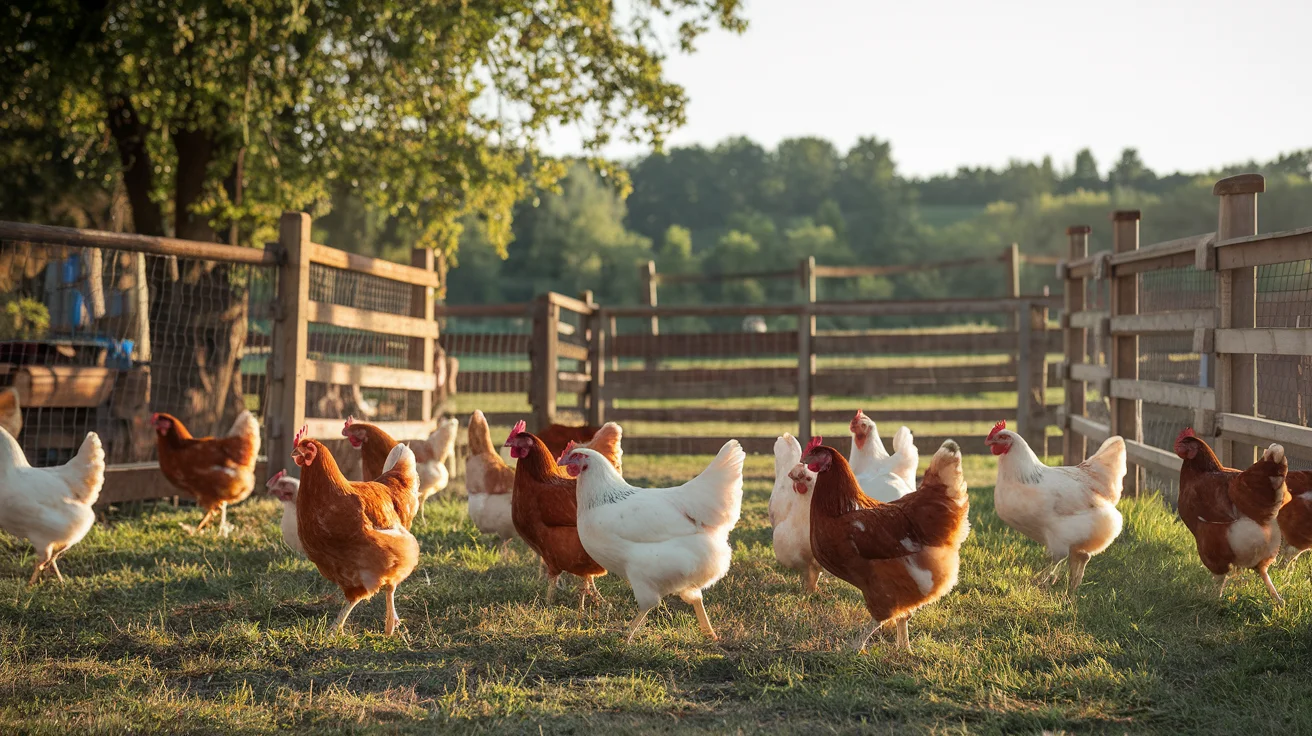
Country eggs, also known as free-range or farm-fresh eggs, come from hens that live in natural environments with access to pastures, natural sunlight, and a varied diet. This lifestyle creates distinct characteristics that set them apart from commercial eggs.
Visual Identification Techniques
1. Shell Characteristics
- Thickness - Country egg shells are notably thicker and harder to crack
- Texture - Slightly rougher surface with natural variations
- Color Variations - Natural brown color with subtle variations, not uniform
- Size Differences - Slight variations in size within the same batch
- Shape - Less uniform shape compared to commercial eggs


2. Yolk Characteristics
The yolk is perhaps the most telling indicator of a genuine country egg:
| Feature | Genuine Country Eggs | Commercial Eggs |
|---|---|---|
| Color | Deep orange to golden yellow | Pale yellow |
| Firmness | Stands tall and firm | Flatter, spreads more |
| Membrane | Thick, strong membrane | Thinner, breaks easily |
| Taste | Rich, robust flavor | Mild, less pronounced |
The Float Test for Freshness
Genuine country eggs are typically fresher due to shorter supply chains. Use this simple test:
- Fill a bowl with cool water
- Gently place the egg in the water
- Observe the egg's position:
- Fresh (0-3 days) - Lies flat on the bottom
- Good (1 week) - Stands upright on bottom
- Questionable (2-3 weeks) - Floats with tip up
- Bad (over 3 weeks) - Floats completely
"The difference in yolk color between our country eggs and store-bought eggs is like comparing sunset orange to pale butter. It's that dramatic!" - Chef Anita Krishnan, Farm-to-Table Restaurant Owner
Source Verification
Always verify the source of your country eggs:
- Know Your Farmer - Buy directly from known local farms
- Visit the Farm - See the hens and their living conditions
- Check Certifications - Look for organic or free-range certifications
- Ask Questions - Inquire about feed, housing, and farming practices
- Seasonal Variations - Expect natural variations based on season
Common Misconceptions
Avoid these common mistakes when shopping for country eggs:
- Brown Color Equals Country - Commercial farms also produce brown eggs
- Expensive Means Authentic - High price doesn't guarantee quality
- Store Location - Supermarket eggs labeled "free-range" may not be truly country eggs
- Uniform Appearance - Real country eggs show natural variations
Storage and Handling Tips
Proper storage maintains the quality of genuine country eggs:
- Store in the refrigerator at 40°F or below
- Keep in original carton to prevent odor absorption
- Store pointed end down to maintain yolk position
- Use within 3-4 weeks for best quality
- Don't wash until ready to use
Nutritional Benefits of Genuine Country Eggs
Authentic country eggs offer superior nutrition:
- Higher omega-3 fatty acid content
- More vitamin D and vitamin E
- Better protein quality
- Higher beta-carotene levels
- No antibiotic or hormone residues
Red Flags to Watch For
Be cautious of eggs that show these characteristics:
- Perfectly uniform size and color
- Very pale yolks
- Thin, weak shells
- No farm identification or contact information
- Suspiciously low prices for "country" eggs


Meera Joshi
April 12, 2024This guide is so helpful! I've been buying eggs from the local store thinking they were country eggs. Now I know what to look for.
Vikram Singh
April 11, 2024The float test is amazing! I tried it with my eggs and could clearly see the difference in freshness.
Rajani Pillai
April 10, 2024Thank you for explaining the yolk color differences. I always wondered why some eggs had such vibrant orange yolks!